
Nourish Your Mind Through Balanced Eating
Discover how the right nutrition creates emotional stability, mental clarity, and lasting wellbeing. Explore evidence-based insights into food and mood.
The Connection Between Food and Mood
Your diet directly influences your emotional wellbeing. The nutrients you consume fuel your brain, regulate neurotransmitters, and shape how you feel every day. When you eat in balance, you create the foundation for stable emotions and mental resilience.
At Vitaljoyplate, we explore the science of nutrition and emotions. Our editorial platform shares research-backed insights, practical recipes, and evidence-based guidance to help you understand how food shapes your mood.
- Brain Chemistry: Key nutrients like omega-3 fatty acids, B vitamins, and magnesium regulate mood and stress response.
- Gut-Brain Axis: A balanced diet supports digestive health, which directly affects emotional stability and mental clarity.
- Energy & Mood: Stable blood sugar from whole foods prevents emotional crashes and supports consistent wellbeing.
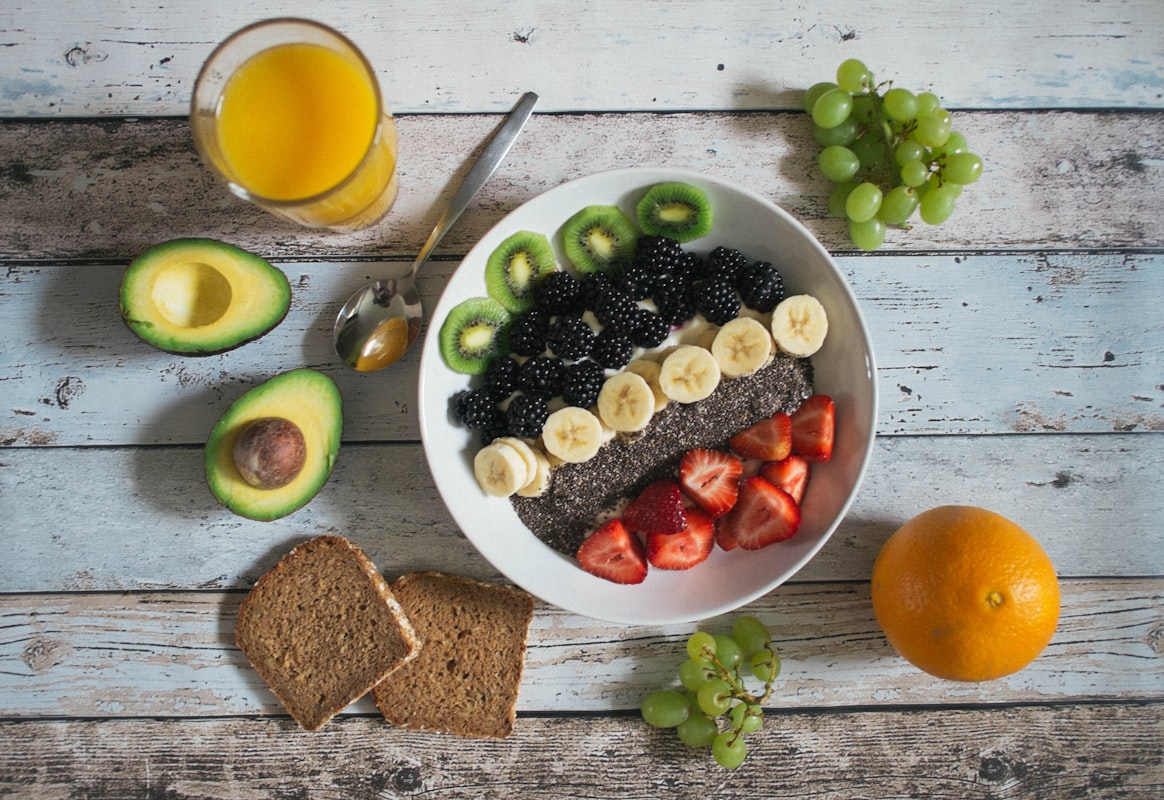
Key Nutrients for Emotional Balance
Learn which nutrients are essential for mood regulation, stress management, and emotional resilience.
Omega-3 Fatty Acids
Found in fatty fish, flaxseeds, and walnuts, omega-3s reduce inflammation and support brain health. These essential fats are crucial for maintaining emotional stability and reducing anxiety.
Top sources: salmon, mackerel, chia seeds, hemp seeds
B Vitamins
B vitamins (B6, B12, folate) regulate neurotransmitter production and energy metabolism. They play a vital role in managing mood, stress, and overall mental clarity throughout the day.
Top sources: eggs, leafy greens, whole grains, legumes
Magnesium
Often called nature's relaxant, magnesium helps calm the nervous system and reduce stress and anxiety. This mineral supports sleep quality and emotional equilibrium.
Top sources: pumpkin seeds, almonds, dark leafy greens, dark chocolate
Antioxidants
Found in colourful fruits and vegetables, antioxidants protect brain cells from oxidative stress. They support cognitive function and emotional resilience.
Top sources: berries, kale, bell peppers, turmeric
Zinc
Essential for immune function and mental health, zinc supports neurotransmitter balance and emotional stability. Deficiency is linked to mood challenges.
Top sources: oysters, pumpkin seeds, chickpeas, cashews
Probiotics & Fiber
A healthy gut microbiome influences mood and brain function through the gut-brain axis. Probiotics and fibre create the foundation for emotional wellbeing.
Top sources: yogurt, kimchi, oats, berries, beans
Building Your Balanced Meal Plan
Simple, practical steps to structure meals that support emotional stability and sustained energy.
Start with Whole Foods
Focus on unprocessed, whole foods: vegetables, fruits, legumes, whole grains, nuts, seeds, and quality proteins. These foods retain their full nutrient profile and support stable blood sugar and mood throughout the day.
Balance Macronutrients at Every Meal
Include protein (fish, eggs, legumes, tofu), healthy fats (avocado, olive oil, nuts), and complex carbohydrates (oats, sweet potatoes, brown rice). This combination sustains energy and prevents mood crashes caused by blood sugar swings.
Prioritise Colourful Plant Foods
Different colours indicate different antioxidants and phytonutrients. Eat the rainbow—red, orange, yellow, green, blue, and purple foods—to maximise micronutrient intake and brain protection.
Manage Portion Sizes and Meal Timing
Eat regular, balanced meals to maintain steady blood sugar and energy. Skipping meals or eating too much disrupts mood and mental clarity. Consistent meal timing helps regulate both hunger and emotions.
Balanced Meal Ideas
Explore simple, nutritious recipes that nourish both body and mind.

Mediterranean Breakfast Bowl
Eggs, Greek yogurt, berries, nuts, and whole-grain toast. Rich in protein, antioxidants, and B vitamins.
View recipe
Grilled Salmon with Vegetables
Wild salmon, roasted sweet potato, leafy greens, and olive oil. Packed with omega-3s and magnesium.
View recipe
Plant-Based Buddha Bowl
Chickpeas, quinoa, kale, avocado, and tahini dressing. Complete protein with fibre for gut and mood health.View recipe
What Our Readers Say
Real feedback from people who have explored our content and improved their emotional wellbeing through balanced nutrition.
"I've struggled with mood swings and anxiety for years. After reading the articles on Vitaljoyplate about nutrient deficiencies and mood, I started paying attention to my diet. Within three weeks of eating more omega-3s and magnesium-rich foods, I noticed a real shift in my emotional stability. The recipes are simple and delicious. Thank you for this incredible resource."
Sarah Mitchell
Manchester, United Kingdom
"The science-backed information on the connection between gut health and mood was eye-opening. I've always felt bloated after meals, which made me anxious. After implementing the probiotic and fibre recommendations from your articles, my digestion improved dramatically, and my anxiety lessened. The approach is practical, not preachy. Highly recommend."
James Woodward
London, United Kingdom
"As someone who used to skip breakfast, I now understand how that affected my mood and focus throughout the day. The balanced meal ideas and explanations of why each nutrient matters have completely transformed how I approach eating. I'm calmer, more focused, and genuinely feel better. Love the honest, evidence-based approach."
Emma Chen
Birmingham, United Kingdom
Frequently Asked Questions
Common questions about nutrition, emotions, and building a balanced diet.
Changes vary by individual, but many people notice improvements in energy and mood stability within 2-3 weeks of consistently eating a balanced diet. Some changes—like reduced anxiety or better sleep—may appear within days. The key is consistency. Your brain and body need time to adjust to better nutrition, but the connection between food and mood is immediate and measurable.
No. There's no single "perfect" diet. What matters is that your meals include nutrient-dense whole foods, a balance of macronutrients (protein, fats, carbohydrates), and plenty of colourful vegetables. Vitaljoyplate focuses on principles, not rigid rules. You can apply these principles within your own food preferences, cultural traditions, and lifestyle. The goal is sustainable eating that supports your emotional wellbeing.
Food is one powerful piece of the puzzle. A balanced diet supports emotional stability, provides the nutrients your brain needs to function optimally, and can significantly reduce mood swings and low energy. However, emotional wellbeing is multifactorial—sleep, movement, social connection, and professional support all matter too. Think of nutrition as a foundation. For serious emotional challenges, we encourage speaking with a mental health professional alongside improving your diet.
Unstable blood sugar creates emotional instability. When you eat refined carbohydrates or skip meals, your blood sugar spikes and crashes, triggering irritability, anxiety, and fatigue. Complex carbohydrates paired with protein and healthy fats keep blood sugar steady, which means stable energy and emotions all day. This is one of the most immediate, noticeable effects of balanced eating.
Yes. Our editorial team creates and features recipes across multiple dietary approaches: omnivore, vegetarian, vegan, gluten-free, and more. The core principles of balanced nutrition for emotional wellbeing apply across all diets. You'll find plenty of options that fit your preferences. Every recipe is designed with both nutrition and enjoyment in mind.
Get Weekly Insights on Food & Mood
Subscribe to our newsletter for evidence-based articles, simple recipes, and practical tips delivered straight to your inbox.
No spam, only content that matters. Unsubscribe anytime.
Start Your Emotional Wellness Journey Today
Explore our growing library of articles, recipes, and evidence-based guidance. Learn how balanced nutrition creates stable emotions and lasting wellbeing.
Questions about our content or editorial approach? Contact our team.